In late May 2016, the long-rumored Microsoft Surface Phone returned to the tech news cycle after an alleged image and specification list appeared online. The original report, published by Neowin, was careful from the start: the leak looked interesting, but it needed to be treated with caution.
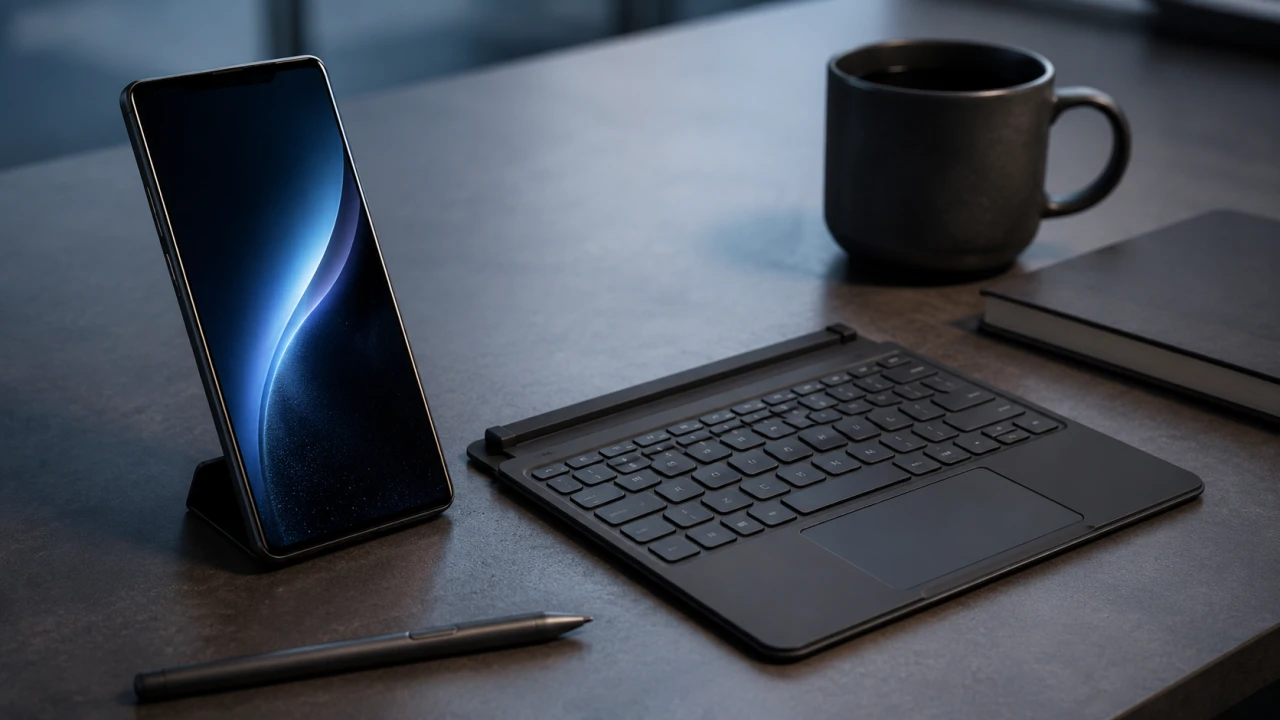
That caution was important. The Surface Phone had already become one of the most persistent Microsoft hardware rumors of the Windows Phone era. Many users wanted Microsoft to build a premium mobile device with the same productivity-first identity as Surface tablets and laptops. The leaked image seemed to fit that idea, showing a business-focused smartphone concept with a keyboard-style cover and a design language that looked closer to Lumia and Surface than to mainstream Android phones or iPhones of the time.
What the 2016 Surface Phone leak claimed
The rumor was reportedly based on a post from Chinese platform Baidu and was later discussed by several technology publications. According to those reports, the alleged Surface Phone was expected to be a high-end Windows 10 Mobile device designed for productivity, not just casual smartphone use.
| Rumored detail | What was claimed in 2016 |
|---|---|
| Design | A rectangular metal body with a conservative, business-oriented look. |
| Accessory | A flexible protective cover with a built-in keyboard, similar in spirit to Microsoft’s earlier Surface Touch Cover idea. |
| Display | A 5.7-inch screen with 2K resolution. |
| Camera | A 20 MP rear camera with Carl Zeiss branding was mentioned in some reports. |
| Processor | Qualcomm Snapdragon 830, which at the time was still a future-looking chipset rumor. |
| Software | Windows 10 Mobile Redstone 2 was named as the expected operating system. |
| Variants | Some reports mentioned possible 3 GB, 6 GB and 8 GB RAM configurations with different storage options. |
The most eye-catching part of the rumor was not only the specification list. It was the idea that Microsoft might try to turn a phone into a pocket productivity device. A phone paired with a keyboard cover would have made sense for users who wanted email, Office documents, messaging and web browsing in a more compact form than a tablet or laptop.
Why people believed a Surface Phone was possible
At the time, the Surface brand had already changed Microsoft’s hardware image. Surface Pro had helped define the detachable 2-in-1 PC category, and Surface Book had pushed Microsoft further into premium laptop hardware. For Windows Phone fans, it was easy to imagine Microsoft applying the same formula to mobile: premium hardware, strong productivity features and deep integration with Windows services.
The rumor also arrived during a difficult period for Lumia. Microsoft’s phone lineup was losing momentum, and many users were waiting for a clear next step. A Surface-branded phone sounded like a possible reset: fewer models, stronger hardware, better enterprise appeal and a more serious reason for developers and users to keep paying attention to Windows on mobile.
That is why the alleged keyboard cover mattered. It suggested that Microsoft might not compete with Android and iPhone on the same terms. Instead of chasing the average consumer smartphone market, a Surface Phone could have targeted professionals who wanted a compact device for writing, messaging, remote work and Microsoft 365-style productivity.
Why the leak needed caution
Even in 2016, there were several reasons to be skeptical. The image was not confirmed by Microsoft. The source was unofficial. The specification list mixed realistic ideas with unusually ambitious claims, including very high RAM and storage options for a phone of that period. Publications covering the leak repeatedly warned readers not to treat the image as final product evidence.
Another issue was timing. A polished official render appearing many months before a possible launch would have been unusual. It was also possible that the image was a fan-made concept, an early design experiment or simply a mockup inspired by the Surface and Lumia design language.
In other words, the leak was interesting as a snapshot of what people wanted from Microsoft mobile hardware, but it was not proof that a Surface Phone was ready for release.
What happened after the rumor
The Surface Phone described in the 2016 leak never became a real consumer product. Microsoft did not launch a Windows 10 Mobile Surface Phone with a Snapdragon 830 processor, a 5.7-inch 2K display or a keyboard cover.
The broader Windows mobile story also moved in a different direction. Microsoft later confirmed that Windows 10 Mobile version 1709 was the final release, with support ending on December 10, 2019. That effectively closed the chapter on Windows 10 Mobile as an active smartphone platform.
Microsoft eventually returned to pocketable Surface hardware, but not as the rumored Windows phone. In 2019, the company introduced Surface Duo, a dual-screen mobile device focused on productivity. When Surface Duo became available for preorder in 2020, Microsoft positioned it around Microsoft 365 experiences and the Android app ecosystem rather than Windows 10 Mobile.
Why the Surface Phone rumor still matters
Looking back, the 2016 Surface Phone leak is useful because it shows what the market expected from Microsoft at the time. Users were not only asking for another Lumia-style smartphone. They were hoping for a different category of mobile device: something closer to a tiny productivity workstation, with a strong keyboard story, business-friendly design and close integration with Microsoft services.
Many of those ideas did not disappear. Foldable phones, dual-screen devices, compact Bluetooth keyboards and desktop-style mobile workflows all became more common in later years. The specific Surface Phone rumor was wrong, but the underlying question was real: could a phone become a serious productivity device?
Microsoft’s answer eventually came through Android-based Surface Duo rather than a traditional Windows phone. Other manufacturers have continued exploring foldables, external displays, desktop modes and AI-powered mobile assistants. The Surface Phone rumor now looks less like a failed product leak and more like an early sign of where mobile productivity conversations were heading.
Should you buy a Microsoft Surface Phone today?
No. There is no official Microsoft Surface Phone to buy. Any listing that claims to sell a “Surface Phone” should be treated carefully, because the product described in the 2016 rumor was never released.
If you are looking for modern devices with a similar productivity idea, consider current smartphones, foldable phones, dual-screen accessories or compact Bluetooth keyboards that can turn a phone or tablet into a more practical writing and work setup.
FAQ
Was the Microsoft Surface Phone real?
Microsoft never released the Surface Phone described in the 2016 leak. The image and specifications were unofficial and remained unconfirmed.
Did Microsoft replace Surface Phone with Surface Duo?
Surface Duo was not a Windows 10 Mobile Surface Phone. It was a dual-screen Surface device built around Microsoft productivity experiences and Android apps.
Why did the Surface Phone rumor get so much attention?
The rumor appeared at a time when many Windows Phone users were waiting for Microsoft to show a premium mobile strategy. A Surface-branded phone sounded like a possible reset for Microsoft’s smartphone ambitions.
Was the leaked Surface Phone image official?
There was no confirmation that the image came from Microsoft. Several reports at the time suggested that it could have been a concept, an unofficial render or a fan-made design.
Bottom line
The 2016 Microsoft Surface Phone leak was one of the more memorable Windows mobile rumors, but it was never confirmed as a real product. Its value today is historical: it captured the hope that Microsoft might bring Surface-style productivity to a pocket device. That exact phone never arrived, but the idea continued to influence later conversations around foldables, dual-screen devices and mobile work.