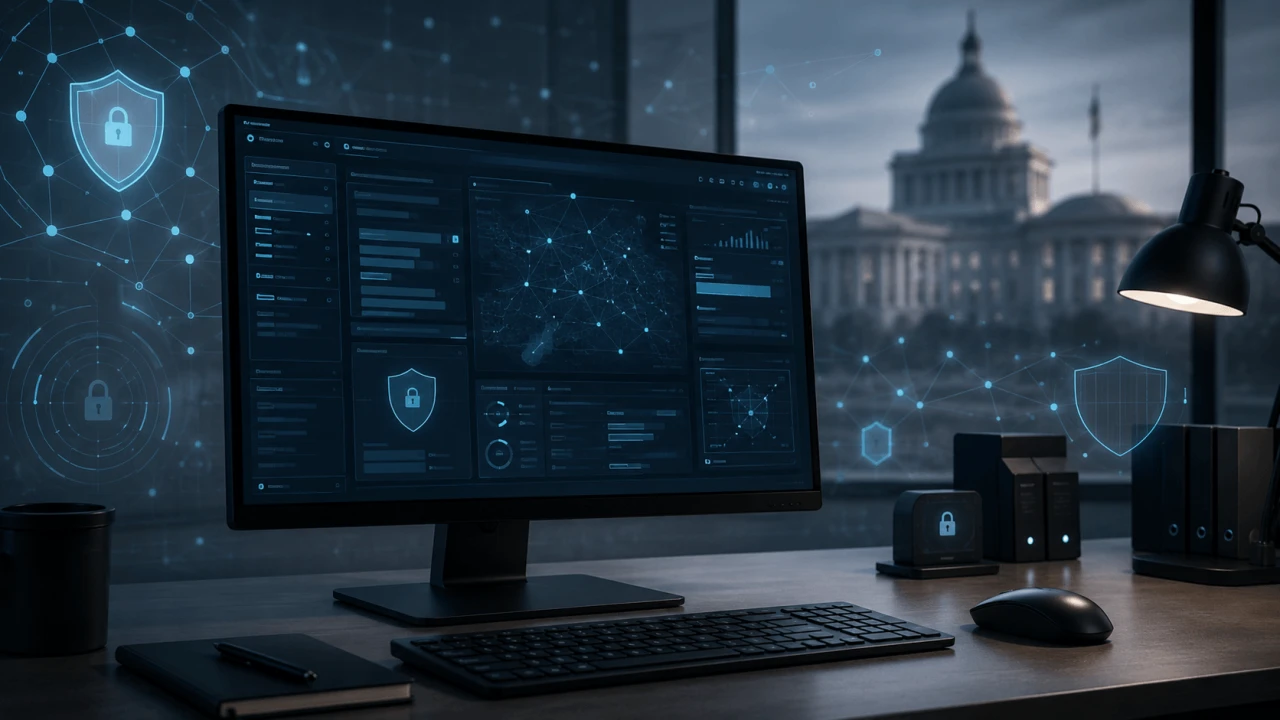
In May 2017, Microsoft confirmed a special version of Windows 10 designed for Chinese government customers. The edition, known as Windows 10 China Government Edition, was not a separate consumer product. It was a government-focused version based on Windows 10 Enterprise and developed through Microsoft’s China-based joint venture, CMIT.
The announcement mattered because operating systems are not just ordinary software in government environments. They handle identity, documents, networks, encryption, updates, cloud connections, and telemetry. For governments, those details can become questions of security, procurement policy, and digital sovereignty.
What Microsoft announced
Microsoft said the China Government Edition was developed by CMIT, a joint venture involving Microsoft and China Electronics Technology Group Corporation. The product was intended for Chinese government agencies and state-owned enterprise customers, with Lenovo named as one of the first OEM partners.
The project followed a period of security review and negotiation between Microsoft and Chinese authorities. Microsoft’s position was that Windows 10 could be adapted for local government requirements while still preserving the Windows application ecosystem and the manageability expected from enterprise deployments.
How it differed from standard Windows 10 Enterprise
Windows 10 China Government Edition was based on Windows 10 Enterprise, but Microsoft described several important differences. The edition removed features that Chinese government employees did not need, including consumer cloud integrations such as OneDrive. It also gave the government customer more ability to manage telemetry and updates, and it supported the use of China’s own encryption algorithms.
Those changes show why this was more than a language-localized edition. It was an operating-system variant shaped around procurement, security, data-control, and compliance requirements for a specific government market.
Why China wanted a tailored Windows edition
For China, the issue was not simply whether Windows could run on government PCs. The larger question was whether a foreign operating system could meet local expectations around security review, cloud services, encryption, and control over updates. In that context, a customized government edition gave Microsoft a way to keep Windows relevant in a sensitive public-sector market.
For Microsoft, the customized edition helped protect its enterprise presence in China. Instead of trying to sell the same global Windows configuration into every market, the company accepted that major government customers could demand more control over the software stack.
Early pilots and distribution
Microsoft said early pilot users included China Customs, the City of Shanghai’s EITC, and Westone Information Technology. Lenovo’s role as an OEM partner also mattered because government operating-system adoption depends on hardware availability, procurement channels, deployment support, and long-term maintenance.
In practice, this meant Windows 10 China Government Edition was not just a download. It was part of a broader government and enterprise deployment model involving Microsoft, CMIT, OEM partners, and local customers.
Why the story mattered beyond China
The Windows 10 China Government Edition story was an early sign of a trend that has only become more important: governments increasingly want more control over software infrastructure. That includes update timing, telemetry, encryption, cloud storage, local compliance, and the ability to audit or certify systems before broad deployment.
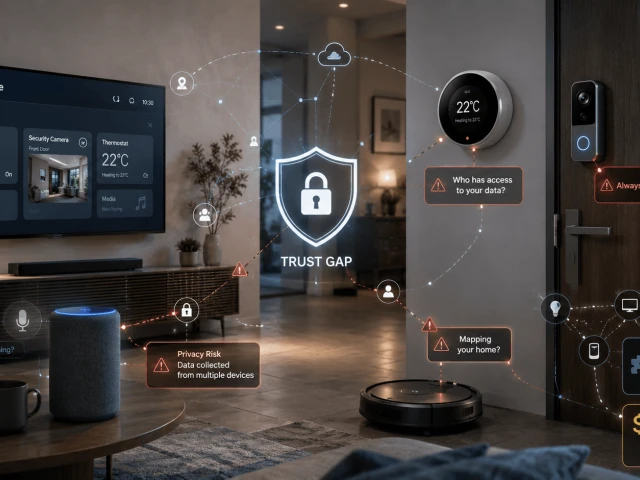
This trend is not limited to desktop operating systems. It also affects connected devices, smart-home hubs, cameras, routers, workplace devices, and AI-powered systems. Any connected product that collects data or depends on cloud services can raise similar questions about trust, control, and jurisdiction.
For buyers and IT teams, the lesson is simple: do not judge connected technology only by features. Also check how the vendor handles updates, cloud dependency, encryption, data storage, account access, and long-term support.
Bottom line
Microsoft’s Windows 10 China Government Edition was a 2017 example of a major technology company adapting a core platform for a government customer with specific security and control requirements. It showed that enterprise software is not only about features and licensing, but also about trust, governance, data policy, and the ability to meet local regulatory expectations.