
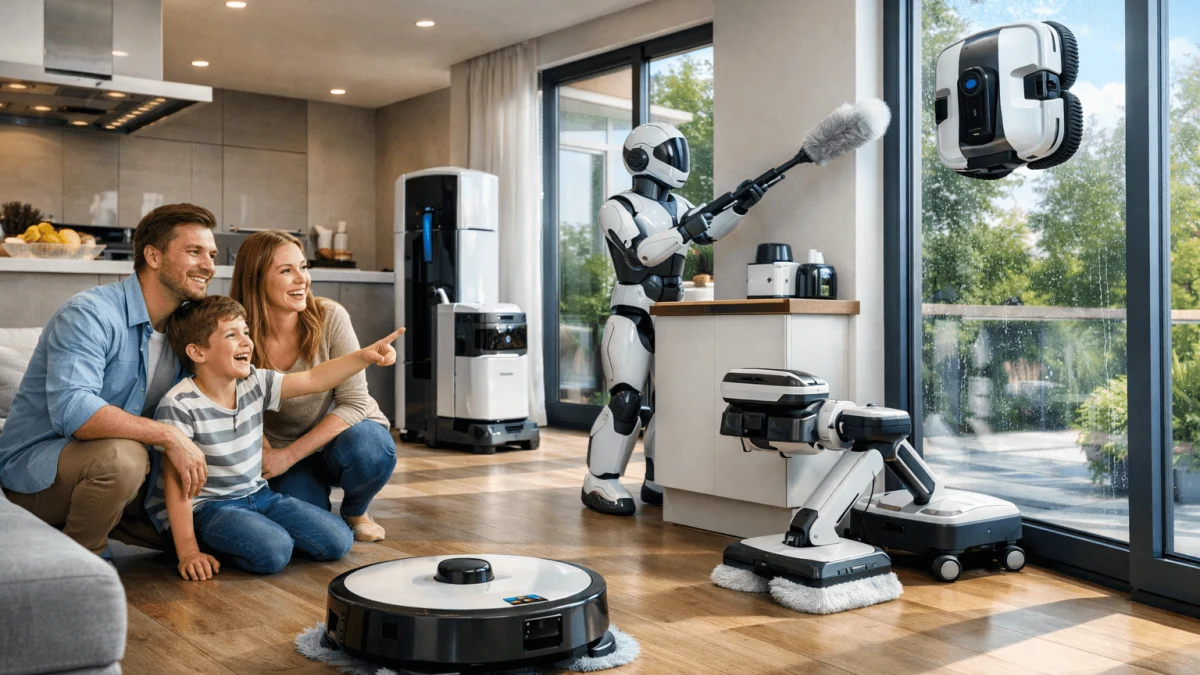
AI robots are transforming home cleaning, expanding beyond vacuuming to include tasks like mopping, dusting, and even window cleaning. Integrating these new functions with current smart-home systems is crucial for smooth and efficient operation. As these devices continue to develop, factors such as real-world performance, security, and privacy are key when making informed choices.
Top Hybrid Vacuum-Mop Robots
These hybrid robots, which combine vacuuming and mopping, better address floor cleaning needs, especially in spaces with hard floors. By consolidating these functions into one device, homeowners save time and space. However, there are compromises; hybrid models might not perform as efficiently as single-function devices. As they manage multiple roles, their ability to clean edges thoroughly or handle heavy debris may be less effective. It's important to assess these considerations when choosing a hybrid model for convenience and how they integrate with a smart-home setup.
When selecting a hybrid robot, consider those featuring auto-wash and auto-dry docks to simplify daily floor care.
Leading Window-Cleaning Robots
Window-cleaning robots provide a convenient solution for maintaining large, flat glass surfaces like windows and patio doors. These robots effectively manage routine cleaning to keep windows spotless, cutting down the manual effort usually required for this task. However, they have limitations, often needing power cables and safety tethers, and may struggle with heavily soiled surfaces or small panes.
With the right selection, these robots can significantly enhance a home's curb appeal. The market offers various models that promise effectiveness under certain conditions, making it essential to align your choice with your specific requirements and window types.
Privacy and Security Considerations
Privacy and security are top priorities in the smart home space, making the choice of AI-driven cleaning robots more complex. While advanced navigation often requires cloud access, which poses privacy risks, opting for robots with onboard AI and LiDAR can minimize this by reducing reliance on external servers.
It's wise for owners to scrutinize manufacturers' privacy policies and track records, disabling unnecessary features like cameras and microphones when they aren't needed. Isolating these devices on separate networks can help limit potential security risks. Selecting models with robust in-device processing capabilities can ensure user data remains protected without losing functionality.
Multi-task Robots vs. Dedicated Devices
Deciding between multi-task robots and dedicated cleaning devices involves understanding specific requirements and trade-offs. While multi-task robots seamlessly incorporate multiple cleaning functions, they often sacrifice the precision and efficiency of single-purpose devices. Dedicated robots are more effective for certain tasks due to their specialized design.
For households with a variety of cleaning needs, multi-task robots streamline operations and may reduce appliance clutter. Conversely, acknowledging that single-function devices offer deeper cleaning can help assess the importance of thoroughness versus convenience. By evaluating the unique demands of your home, you can make smart choices for keeping it clean and efficient.
Integration with Smart-Home Systems
Integrating cleaning robots with smart-home systems remains a critical consideration, particularly in terms of their interactions with different platforms. While compatibility with popular systems like Alexa and Google Home is common, support for others like HomeKit and Matter is still developing, which can limit functionality in some environments.
To ensure smooth integration, it's essential to define desired routines or automations, whether that involves complex cleaning schedules or ensuring coordination with other smart devices. Using native apps or third-party solutions like Home Assistant often provides greater control and flexibility in setting up these integrated systems.
Cost and Maintenance of AI Robots
Understanding the full cost of AI cleaning robots is vital for potential buyers. Beyond the initial purchase, consider ongoing expenses linked to consumables and maintenance. Items such as disposable pads, cleaning solutions, and occasional parts replacement add to the total cost of ownership.
Practical considerations, like the space needed for docks, which often match the size of a small side table, should also be factored in. Planning these costs beforehand can help decide which model offers the best value for your home and cleaning needs.
Performance in Dusting and Surface Cleaning
AI-powered surface cleaning robots offer the convenience of handling light dust tasks, optimizing movement for cleaning efficiency. While effective on floors, these devices often fall short for above-floor dusting due to design limitations. Homeowners may need to supplement their use with traditional methods.
Evaluating their performance means understanding how these robots adapt to various surfaces and use navigation to avoid obstacles. Despite limitations, surface cleaning robots remain a beneficial tool for reducing manual cleaning efforts, managing daily dust and debris.